
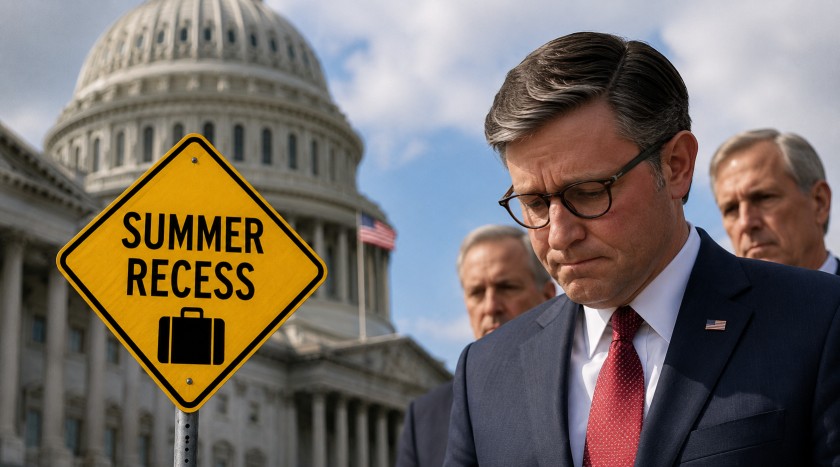
As the summer recess approaches, U.S. House Republicans have managed to advance several significant legislative initiatives, including bolstering defense expenditures and proposing voting reforms. However, as they prepare for the crucial midterm elections in November, they are also navigating mounting political pressures. Despite celebrating recent legislative accomplishments, the Republican Party is showing signs of internal discord. This was highlighted when some Republican members sided with Democrats to pass a non-binding resolution advocating for the withdrawal of U.S. troops from military engagements with Iran, revealing fissures within the party.
The ambitious defense spending package and the election-related proposals are now heading to the Senate, where their future remains uncertain. Republican leaders in the Senate have hinted at potential delays in addressing these measures, as they are entwined with ongoing, broader budget discussions. This delay could influence the legislative agenda significantly, as the Senate grapples with these complex negotiations.
On the other side of the aisle, Democrats are seizing the opportunity to address voter concerns, focusing their efforts on issues like healthcare, economic stability, and military expenditure. They aim to leverage these issues to regain momentum in Congress, hoping to sway public opinion and strengthen their position in the upcoming elections.
Despite this, Republicans stand firm, asserting that their policies are effectively enhancing economic performance and bolstering national security. This sets the stage for a midterm election campaign that promises to be fiercely contested, with both parties vying to convince voters of their vision for the nation’s future.