
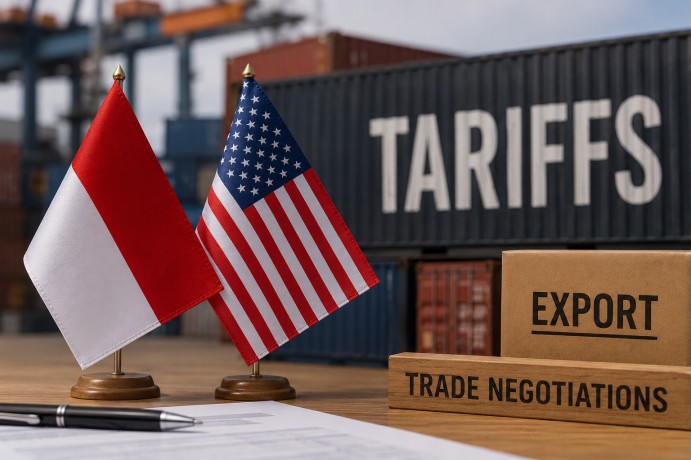
As Indonesia navigates the implications of a newly implemented 10% tariff by the United States, government officials are actively seeking assurances that previously agreed tariff exemptions for critical exports will remain intact. This recent U.S. tariff stems from heightened concerns about forced labor practices and has positioned Indonesia among the countries affected by the lower levy. Indonesian authorities are maintaining close discussions with U.S. trade officials, emphasizing the importance of sustaining duty-free access for essential products such as crude palm oil, cocoa, coffee, and natural rubber.
The Indonesian government is also keenly anticipating the results of a separate U.S. investigation focused on structural excess capacity, which could potentially introduce additional trade measures. In response, Indonesia is committed to ongoing negotiations aimed at ensuring competitive tariff rates and safeguarding its export interests. The stakes are high as the outcome of these discussions could significantly influence Indonesia’s trade dynamics with the U.S.
Interestingly, the latest U.S. tariff policy does offer preferential treatment for certain Indonesian textile exports, particularly those incorporating U.S. cotton and other American materials. This aspect of the policy could provide a buffer for the textile sector amidst broader trade tensions. Such developments underscore the complex interplay between protectionist measures and collaborative trade opportunities, a balance both nations are striving to manage effectively.
Trade relations between Indonesia and the United States have been robust, with bilateral trade reaching $18.4 billion in the first five months of 2026. During this period, Indonesia enjoyed a trade surplus of approximately $7 billion, highlighting the importance of the U.S. market for Indonesian exporters. As these talks unfold, both countries are acutely aware of the economic stakes involved, reinforcing the need for strategic diplomatic engagement to navigate these challenges.