
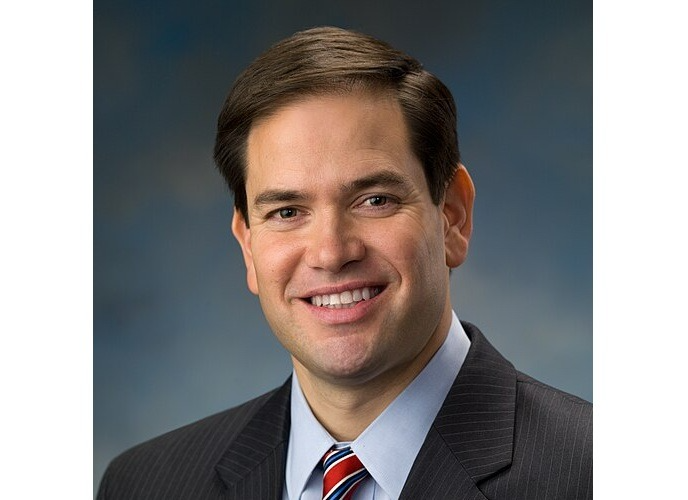
U.S. Secretary of State Marco Rubio has clarified that the proposed US$14 billion arms deal with Taiwan is still under review and not paused, as previously speculated. Speaking in front of the U.S. Senate, Rubio emphasized that the assessment is part of the standard administrative procedure, given the package’s significant scale and its potential implications for U.S. defense production capabilities. He refuted claims that the review process equates to a halt, underscoring the necessity of evaluating such a substantial arms deal thoroughly.
Speculation about the status of the arms package intensified after reports suggested that President Donald Trump might be considering using it as a negotiating chip in discussions with Chinese President Xi Jinping. Further uncertainty arose when a senior U.S. defense official remarked that certain weapon transfers were under scrutiny to ensure that the U.S. military maintains sufficient stockpiles. These statements have fueled concerns regarding the future of the arms deal and its impact on U.S.-Taiwan relations.
Highlighting the significance of recent arms sales to Taiwan, Rubio noted that the U.S. had previously approved an arms package worth approximately US$11 billion in December, marking it as the largest sale in U.S. history. This decision was met with strong opposition from China, which responded by ramping up military activities near Taiwan. Despite these tensions, Rubio reiterated that U.S. policy towards Taiwan remains consistent and that Washington does not seek Beijing’s approval when deciding on arms sales to the island.
The Secretary of State also stressed the importance of maintaining peace and stability across the Taiwan Strait. He assured that the proposed US$14 billion arms deal is still under consideration, with no final decision having been made yet. Rubio’s remarks aim to reassure both domestic and international audiences that the review process is a routine part of the decision-making framework for such significant military transactions.