
Maintaining clear vision can often be misleading when it comes to assessing eye health. Many eye conditions can develop silently, making regular eye check-ups crucial even in the absence of noticeable vision problems. Conditions like diabetic retinopathy and age-related macular degeneration can progress without immediate symptoms, posing a greater risk for individuals with diabetes and older adults. It is advisable for these groups to consult with eye-care professionals to establish appropriate screening schedules.
The retina, a crucial component of the eye, contains delicate blood vessels and tissues essential for vision. Changes in these structures may go unnoticed initially, leading to potential complications if not detected early. Diabetes can impact the small blood vessels that supply the retina, and aging increases the likelihood of conditions affecting central vision. Routine eye examinations are vital to identify any issues before they advance.
While some retinal problems remain symptom-free at the onset, there are warning signs that require immediate medical attention. These include the sudden appearance of new floaters, flashes of light, blurred or distorted vision, dark spots in the field of vision, or a shadow-like area across sight. Such sudden changes should not be ignored.
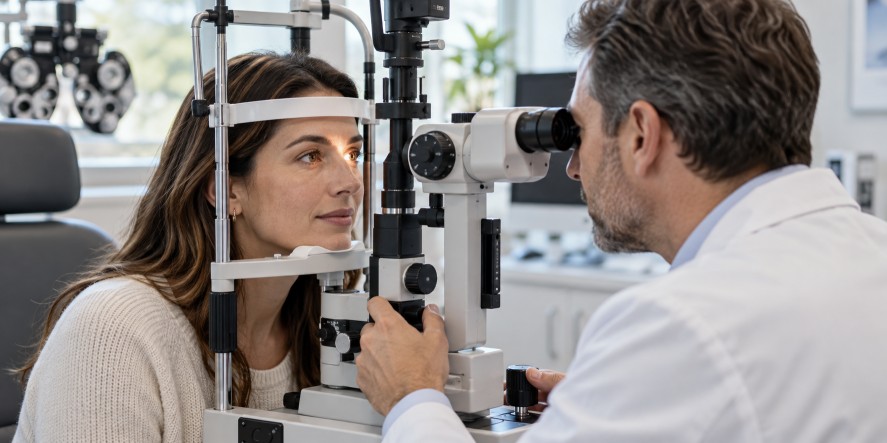
Standard vision tests primarily focus on clarity of sight but may miss underlying issues within the eye. Comprehensive eye examinations allow professionals to examine the retina and other internal structures, which can be essential depending on a person’s age, medical history, and risk factors. These examinations might include a dilated retinal exam or retinal imaging.
For those with diabetes, discussing proper retinal screening with a healthcare provider is crucial, while older adults should adhere to regular eye-care appointments as recommended. The emphasis is on not waiting for vision to deteriorate before paying attention to eye health. Regular check-ups, awareness of warning signs, and timely medical intervention can play a significant role in preserving vision over the long term.