
Engaging in regular physical activity may offer more than just improved fitness levels; it could also significantly reduce the risk of stroke and early mortality, as highlighted by recent research into the long-term health impacts of exercise. The study, spanning approximately 13.5 years, monitored individuals both with and without atrial fibrillation (AFib), a prevalent heart rhythm disorder characterized by an irregular heartbeat. It aimed to correlate varying degrees of physical activity with the incidence of stroke and overall mortality.
The research revealed that even minimal physical activity could yield substantial health advantages. Participants who engaged in physical activities were found to have up to a 19% lower risk of experiencing a stroke and a 22% reduced risk of dying from any cause when compared to those who were largely inactive. This suggests that incorporating any form of physical movement into daily routines can be beneficial for health.
For individuals managing atrial fibrillation, the advantages of physical activity appear even more pronounced. Those with AFib who were more physically active were noted to have a longer life expectancy. Depending on their level of activity, these individuals could gain between 0.50 to 1.15 additional years of life. Specifically, those with low activity levels gained roughly 0.50 years, while moderate activity was linked to about 0.66 years, and higher activity levels could extend life expectancy by up to 1.15 years.
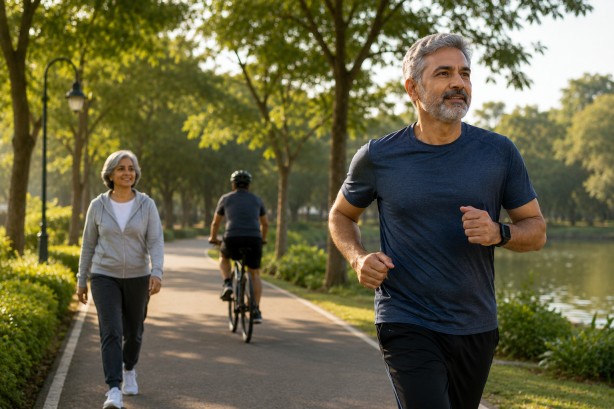
Atrial fibrillation poses an increased risk of blood clots and stroke, underscoring the importance of cardiovascular health for affected individuals. The study emphasizes that physical activity need not be synonymous with strenuous exercise or extensive running sessions. Instead, activities such as walking, cycling, swimming, or even household chores can all contribute to a more active lifestyle. The focus should be on avoiding prolonged periods of inactivity and gradually increasing daily movement.
Ultimately, the study reinforces the notion that engaging in some physical activity is preferable to none. Furthermore, maintaining a higher level of physical activity can potentially yield additional health benefits, contributing to both enhanced longevity and improved long-term health outcomes.