
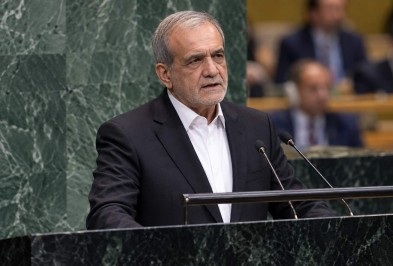
The diplomatic tension between the United States and Iran continues to unfold on the global stage, as the two nations grapple with ongoing disagreements over nuclear ambitions, regional security, and economic sanctions. During the United Nations General Assembly, Iranian President Masoud Pezeshkian expressed Tehran’s willingness to engage in dialogue despite harsh criticisms of U.S. President Donald Trump’s approach.
Pezeshkian, addressing the assembly, emphasized Iran’s openness to diplomacy but firmly rejected any negotiations conducted under duress or military threats. His remarks came shortly after President Trump indicated the possibility of further U.S. actions against Iran while also mentioning potential renewed discussions.
The diplomatic atmosphere was further complicated by a significant meeting between Iranian Foreign Minister Abbas Araghchi and U.S. special envoy Steve Witkoff. This three-hour discussion, mediated by Qatar, focused on Iran’s conditions for easing tensions, such as the lifting of economic sanctions and the cessation of military pressure.
Central to the negotiations is the status of the Strait of Hormuz, a critical maritime corridor. Iran has hinted that reopening the strait could be contingent on meeting its demands, including the end of hostilities and the unfreezing of Iranian assets. The strait’s closure has had a considerable impact on international shipping and energy supplies, making it a focal point of international concern.
President Pezeshkian reiterated Iran’s stance on maintaining a peaceful nuclear program, asserting that the country has no intention of pursuing nuclear weapons. He also called on regional neighbors to collaborate on security issues, advocating for less reliance on external powers.
In his address, Pezeshkian accused the United States and Israel of aggressive actions towards Iran, framing Tehran’s responses as defensive measures. Despite the geopolitical friction and economic pressures stemming from sanctions, the latest interactions suggest that avenues for dialogue remain open, although significant hurdles persist.