
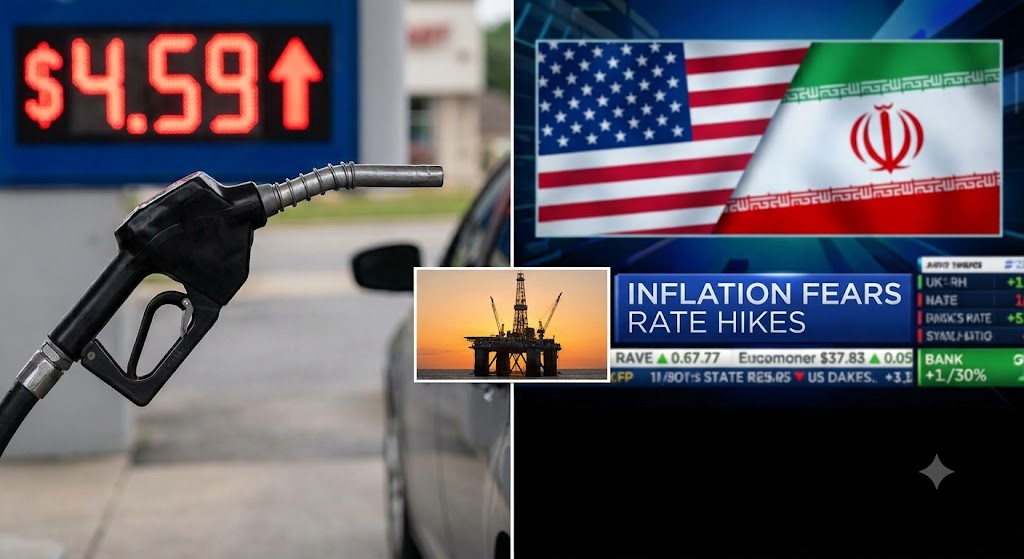
The global oil and gas markets experienced a significant rise in prices following renewed military tensions between the United States and Iran, which sparked concerns over potential disruptions to energy supplies and increased inflation. Brent crude oil saw a temporary surge, reaching its highest levels in over a month. This spike was somewhat tempered after U.S. President Donald Trump decided against implementing a proposed 20% fee on ships transiting the critical Strait of Hormuz.
These developments in energy prices have heightened expectations that central banks across the globe, such as the Bank of England and the European Central Bank, might consider raising interest rates later in the year as a measure to control inflation. The bond market reacted with a rise in yields, while European stock markets initially dropped. However, as fears about the proposed shipping fee subsided, stock markets managed to recover.
The Strait of Hormuz is a vital waterway for global oil transportation, and any threat to its accessibility tends to unsettle energy markets. The potential for increased costs in shipping through this channel could have had a significant impact on global trade and fuel prices, contributing further to inflationary pressures.
Analysts suggest that the ongoing geopolitical tensions in the Middle East are likely to maintain volatility in energy markets. This uncertainty could play a crucial role in shaping global inflation trends and influence monetary policy decisions in the coming months. The situation remains fluid, and stakeholders in international markets will be closely monitoring developments.