
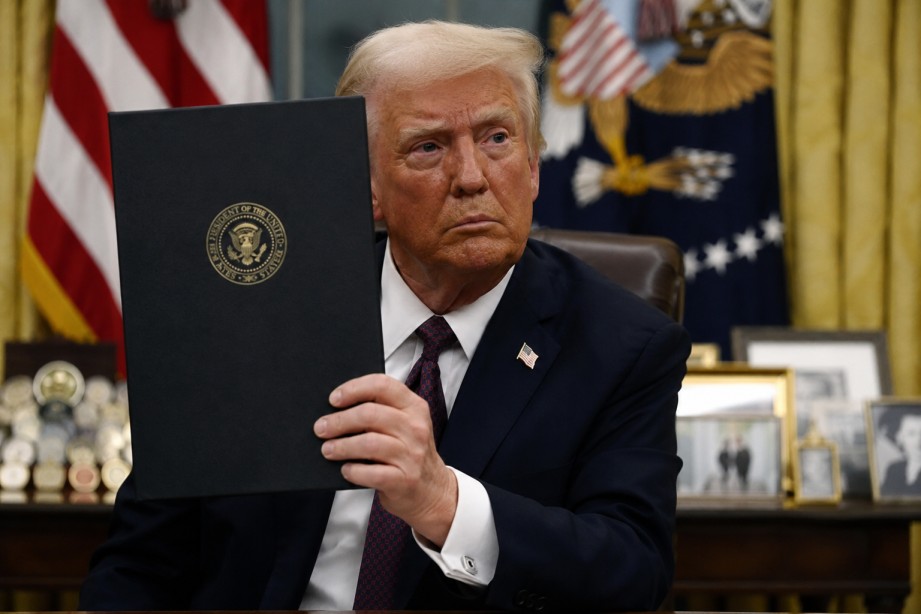
In a surprising turn of events, Roger Rogoff was dismissed from his role as the US Attorney for Western Washington by President Donald Trump, just after he was sworn in. Rogoff, known for his extensive experience as both a judge and a state and federal prosecutor, learned of his removal via an email from the Trump administration shortly after taking the oath of office. Rogoff has expressed that he is exploring the possibility of pursuing legal action in response to this sudden decision.
The situation unfolded after the term of the previous interim US attorney concluded, leaving the position vacant. In the absence of a Senate-confirmed nominee, federal judges exercised their authority to appoint Rogoff to the role. This move was in line with judicial practices to ensure continuity in the office’s operations. However, the Trump administration justified the dismissal by emphasizing the president’s retained power to remove temporary US attorneys, despite the courts’ ability to make such appointments.
This incident has sparked a heated discussion regarding the balance of power between judicial appointments and executive authority. Critics argue that the president’s action undermines the established process for selecting federal prosecutors, a process that typically involves Senate confirmation. The removal of Rogoff, especially under such abrupt circumstances, has raised questions about the administration’s approach to filling key legal positions.
The broader implications of this development are being closely watched, as it touches on the core principles of governance and the checks and balances that define the US political system. The debate centers around whether the president’s removal of an appointed US attorney, without a confirmed successor ready, disrupts the judicial process and encroaches on the independence of the judiciary.
As the situation unfolds, legal experts and political analysts are assessing the potential impact on future appointments and the precedent it sets for executive interactions with the judiciary. Meanwhile, Rogoff’s consideration of legal action adds another layer of complexity to an already contentious issue, highlighting the ongoing tensions between different branches of government in the current political climate.