
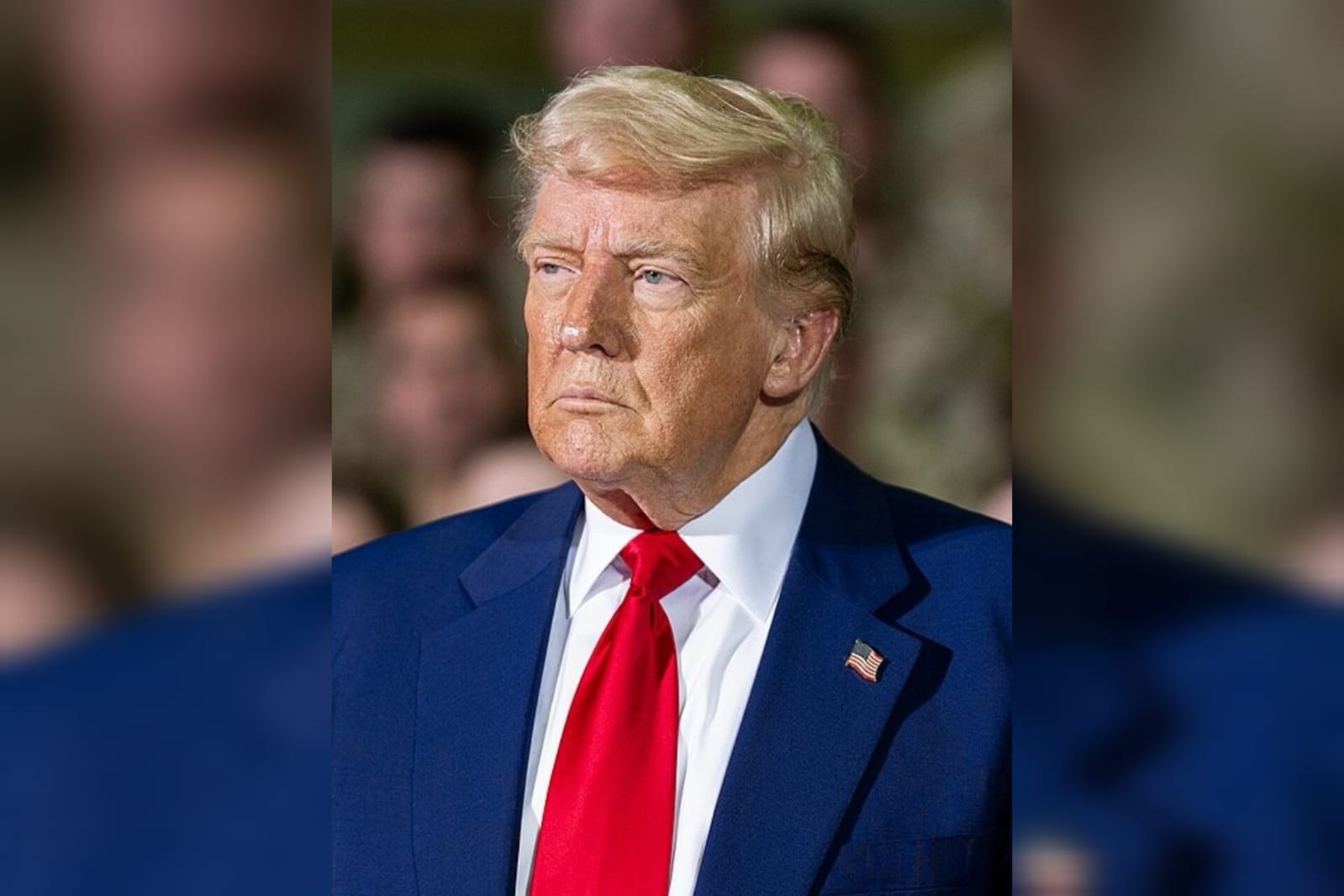
The signing of a memorandum of understanding between U.S. President Donald Trump and Iran has led to polarized reactions internationally. While some leaders view the agreement as a positive move toward easing tensions, critics are concerned it awards Iran substantial concessions with little assurance over its nuclear ambitions. Pakistan’s Prime Minister, Shehbaz Sharif, commended the accord, highlighting the importance of diplomacy in reopening the Strait of Hormuz and facilitating renewed talks between Washington and Tehran. Similarly, G7 leaders have expressed approval, seeing it as a crucial step to prevent Iran from acquiring nuclear weapons and to stabilize the global energy market.
According to the agreement, Iran has committed to reopening the Strait of Hormuz, a vital channel for global oil transportation. In return, the United States will relax certain sanctions related to Iranian oil exports, petroleum products, and associated banking services. The next 60 days are crucial as both nations are set to engage in negotiations regarding Iran’s nuclear program and its stockpile of highly enriched uranium. The international community is keenly observing these developments, hoping for a resolution that ensures regional and global security.
However, the deal has been met with considerable opposition in Israel. Critics there argue that easing economic pressure on Iran might empower it without effectively curbing its nuclear activities. Some political leaders and former officials in Israel have voiced their concerns about being sidelined during the negotiations. Analysts warn that this agreement might pose increased security risks for Israel, highlighting the complexities of Middle Eastern geopolitics.
The response within the United States is also divided. Some Republican lawmakers have cautiously endorsed the diplomatic approach, noting the reopening of the Strait of Hormuz and reduced hostilities as favorable outcomes. Conversely, other Republicans, along with several Democratic leaders, contend that the agreement offers Iran economic advantages without securing concrete commitments on its nuclear agenda. President Trump has hailed the deal as a significant triumph for the U.S., whereas Iranian officials have framed it as a testament to their successful negotiation tactics.