
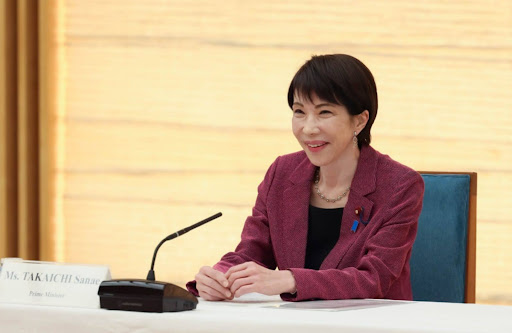
The Japanese energy planners who spent decades building the country’s strategic petroleum reserve system — investing in stockpiles, infrastructure, and emergency protocols following the 1973 oil shock — are seeing their work vindicated this week as Japan initiates the biggest-ever drawdown from its national oil reserves. Prime Minister Sanae Takaichi confirmed the deployment of approximately 80 million barrels to domestic refiners from Thursday, in response to the US-Israel conflict with Iran disrupting oil tanker traffic through the Strait of Hormuz. Japan’s preparedness is being tested, and the early signs suggest it was not misplaced.
Japan’s total petroleum reserves of approximately 470 million barrels — covering about 254 days of domestic consumption — are the product of consistent long-term investment in energy security. The 80 million barrel release, equivalent to 45 days of demand and 1.8 times the previous record from the 2011 Fukushima period, is the largest single activation of this system in its history. Even after this deployment, Japan retains reserves well above the minimum necessary for meaningful supply security.
Japan imports more than 90% of its crude oil from Middle Eastern producers, making Hormuz disruptions an immediate economic emergency rather than a distant geopolitical concern. The current conflict has raised credible fears of prolonged disruption, justifying a response of historic scale. The reserve system is providing the buffer that its architects designed it to provide.
Consumer protection measures include government subsidies capping gasoline at approximately ¥170 per litre, down from a record ¥190.8, reviewed weekly. Active communications have been deployed to counter social media-driven panic about household goods shortages, with industry groups confirming the domestic security of key supply chains. Japan’s crisis communication infrastructure is being tested alongside its physical reserves.
Diplomatically, Takaichi has managed Japan’s international role with firm consistency, declining military involvement while committing to sustained diplomatic engagement. Her refusal of Trump’s naval deployment request — grounded in Japan’s constitution — was clear and unambiguous. Japan’s decades of energy preparation are paying off; the diplomatic and communications infrastructure being tested alongside the reserves is proving equally robust.