
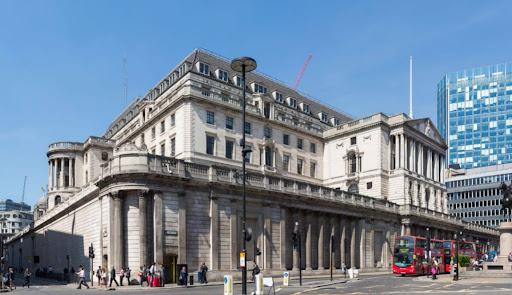
The Bank of England chose a cautious path on Thursday, holding interest rates at 3.75% while acknowledging that the war in the Middle East has substantially reshaped the UK’s monetary policy landscape. The monetary policy committee’s unanimous decision to hold was driven by uncertainty about how the US-Israel conflict against Iran would develop and what its ultimate impact on UK inflation would be. Policymakers warned that energy prices could push inflation above 3% and that rate hikes were a real possibility.
The transformed outlook stems directly from the Iran war’s impact on global energy markets. Oil and gas prices have risen sharply since the conflict began, threatening to undo the disinflation that had been building in the UK economy. The Bank’s revised forecasts show inflation rising to approximately 3.5% in March and remaining above the 2% target throughout 2026, a marked change from pre-war projections.
Governor Andrew Bailey described the Bank’s approach as one of careful assessment rather than predetermined action. He acknowledged the war’s early economic effects, particularly through higher petrol prices, and warned of the potential for higher energy bills later in the year. The Bank would act if required, he said, but preferred to gather more evidence before committing to a course.
UK financial markets reflected the hawkish signal embedded in the Bank’s communications, with gilt yields rising and the FTSE 100 falling. The pound strengthened against the dollar as investors priced in the possibility of tighter monetary policy relative to other major economies. City analysts moved their rate hike expectations forward, with June now viewed as a live meeting.
The political backdrop to the decision is difficult for the government. Labour’s economic agenda had been premised on falling rates, and rising borrowing costs directly challenge that narrative. Chancellor Reeves is reportedly considering energy support measures for vulnerable households, but the fiscal and political constraints are significant.