
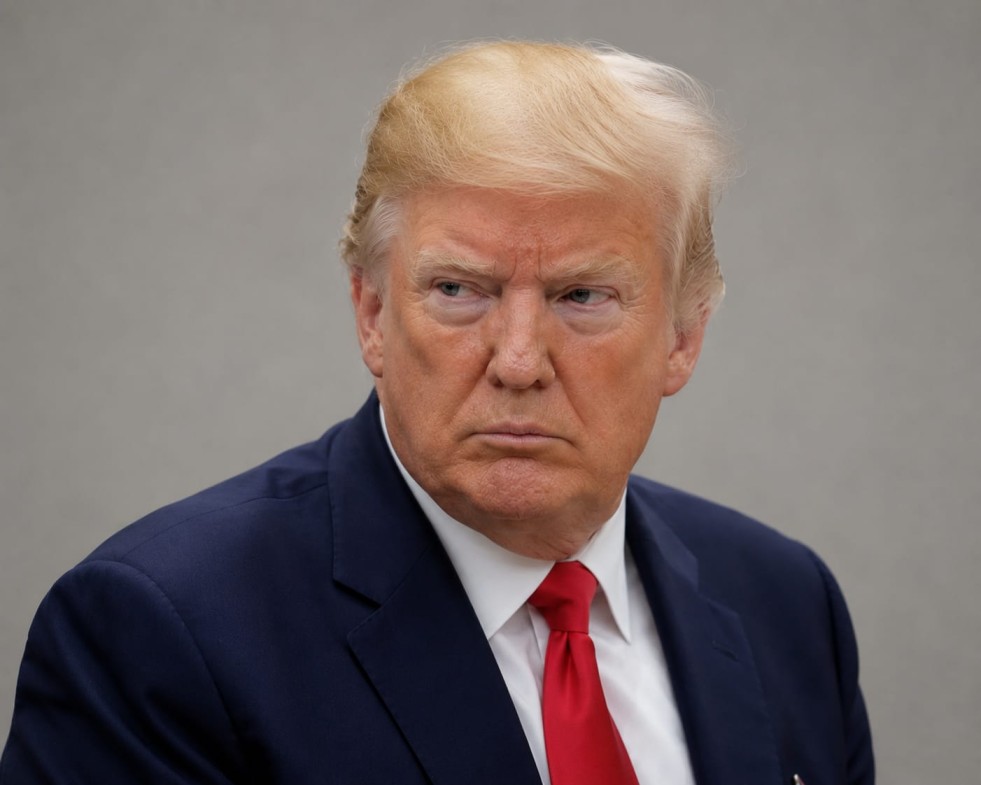
In a recent critique, U.S. President Donald Trump called into question the current dynamics of American involvement in the North Atlantic Treaty Organization (NATO), labeling the alliance as “one-sided” and lacking reciprocity. This criticism comes just before the NATO summit scheduled to take place in Ankara. Trump voiced his concerns on social media, highlighting that some NATO allies had not supported the United States during its conflict with Iran. He described the situation as “ridiculous,” particularly regarding Washington’s substantial contribution to the alliance’s defense efforts.
Throughout his presidency, Trump has consistently emphasized the need for European NATO members to take on more responsibility for their own defense. This stance has led to his administration beginning to scale back certain U.S. military commitments in Europe. Trump’s remarks reflect ongoing frustrations with what he perceives as an imbalance in the alliance, where the U.S. bears a significant share of the defense burden while not receiving equivalent support in return.
U.S. Secretary of State Marco Rubio has acknowledged the existing tensions within the alliance, noting the president’s dissatisfaction with some NATO members regarding their responses to U.S. military engagements in the Middle East. Rubio indicated that these concerns will likely be a principal topic of discussion during the upcoming summit, as leaders seek to address and potentially recalibrate the expectations and contributions of member countries.
The upcoming NATO summit in Ankara, set for July 7–8, will bring together leaders from the alliance’s 32 member nations. The agenda is expected to cover a range of topics critical to the alliance’s future, including defense cooperation, addressing security challenges, and evaluating future commitments. As discussions unfold, the meeting may serve as a pivotal moment in redefining the roles and responsibilities within NATO, potentially leading to shifts in how member countries collaborate on security and defense matters.