
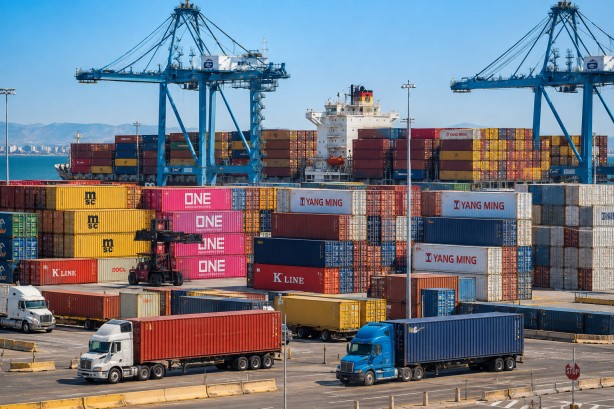
The US government has issued refunds totaling about $100 billion for tariffs that were initially collected under former President Donald Trump’s trade policies, often referred to as “Liberation Day” measures. This action follows a Supreme Court decision declaring a substantial portion of these tariffs unlawful. The reimbursed amount represents roughly 60% of the $165 billion originally collected prior to the court’s ruling. These tariffs, which affected imported goods, were a cornerstone of Trump’s strategy to bolster domestic manufacturing, negotiate more favorable trade agreements, and enhance government revenue.
In the wake of the court’s decision, the administration has returned the duties to the companies impacted by the tariffs. Despite this financial restitution, the federal budget deficit has seen an increase, expanding to $1.37 trillion within the first nine months of the fiscal year. This growing deficit highlights the ongoing fiscal challenges faced by the government, even as it attempts to address past tariff impositions.
In recent developments, the Trump administration has unveiled a new series of tariffs, ranging from 10% to 12.5%, targeting imports from over 80 nations, including major trading partners such as India, China, the United Kingdom, Canada, Mexico, Australia, and the European Union. These measures were introduced last month and are justified by the administration as necessary due to concerns over products allegedly linked to forced labor practices.
However, these newly imposed tariffs have not gone unchallenged. A coalition comprising 25 US states has launched legal proceedings in an attempt to halt the implementation of these tariffs. This coalition contends that the latest tariffs unlawfully substitute for those previously invalidated by the Supreme Court. The ongoing legal battles reflect the contentious nature of trade policy and its implications for international relations and domestic economic policy.